
Weather Photography! Rain or Shine, there’s always an image to make.
In photography we live for the dramatic weather conditions to produce the most incredible scenery. That’s why I'm writing this blog, to help you understand a predict certain weather conditions, knowing that you can use the “bad weather” to your advantage and produce some excellent work. I’ll be going through some examples of Cloud Inversions (actually called Temperature inversions), Rainbows, and Fire Skies - my favourite!
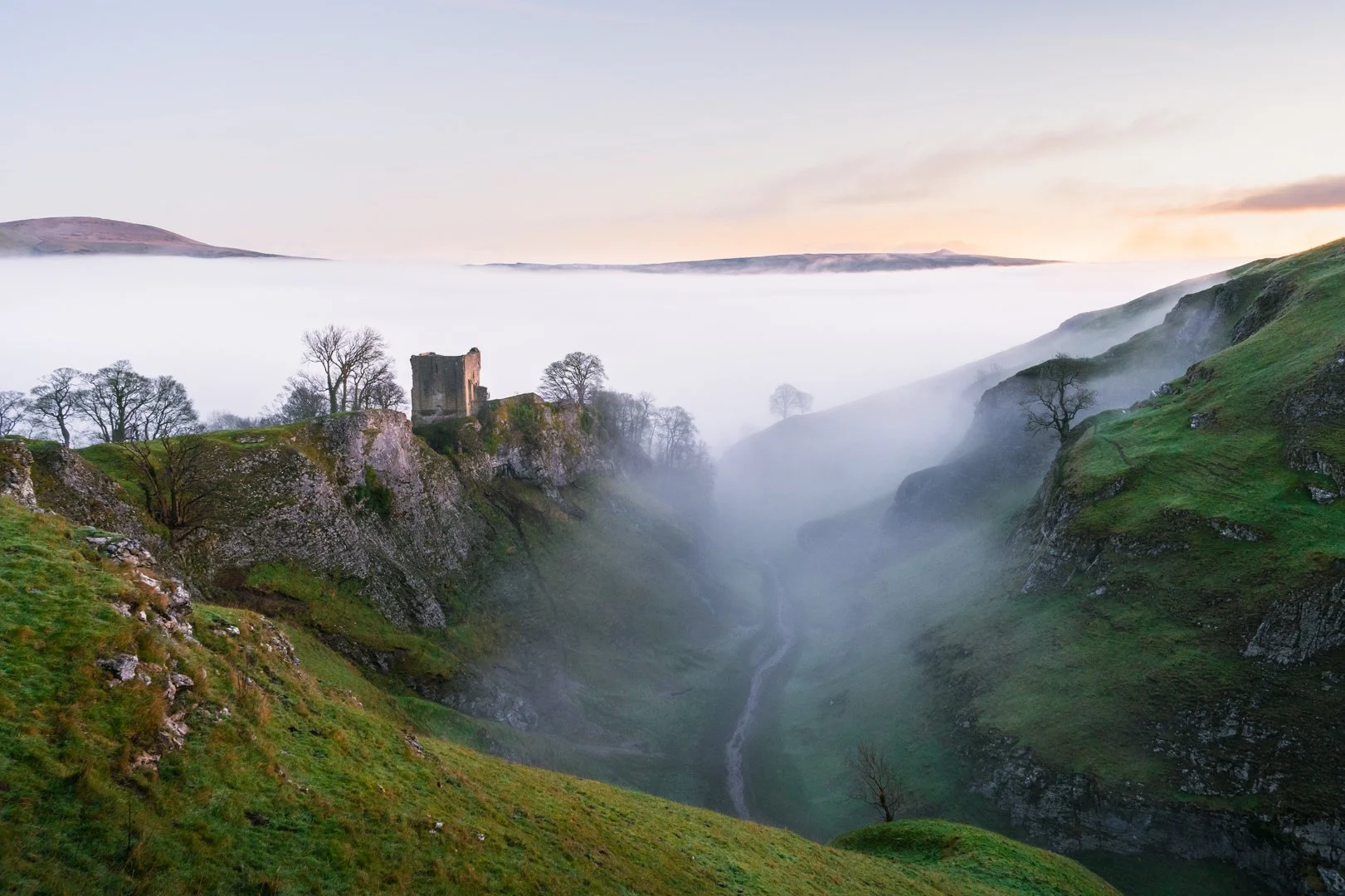
What is a cloud inversion, you ask?
Imagine this: over the years hiking and photographing the UK's most breathtaking landscapes, my most unforgettable moments have come from standing high above the valleys at sunrise, watching mist slowly fill the low ground below in a spectacular cloud inversion. Isn't there something quietly satisfying about it, knowing everyone down there is in damp fog while you're up in clear, crisp air with epic views?
Cloud inversions, properly called temperature inversions, are one of the most rewarding spectacles for hikers and photographers alike. Normally, temperature drops with height, about 2°C per 300m. But in an inversion, cold, dense air sinks into the valleys, creating a layer where it gets warmer as you go up, at least to a point.
Ever wondered how this forms? It happens on clear, calm nights: the ground radiates heat to space quickly, cooling the air above it. Cooler air holds less moisture, so if humidity is high enough, water vapour condenses into mist or fog in the valleys. The inversion traps this cold, moist air below you.
A classic sign to look out for is smoke from a chimney rising, then flattens out horizontally at the inversion layer.
The key ingredients for a successful inversion are as follows: Clear skies overnight, no clouds to trap heat; high humidity, often over 90%, with temperature dropping close to or below the dew point; low wind, ideally under 5 mph, calmer the better to avoid mixing; high pressure often helps, stable, light winds.
How can you check forecasts effectively? Apps like Ventusky show temperature profiles at different heights, look for a rise then drop, for example warmer at 750m than at ground or 1000m, or Clear Outside gives hourly humidity, dew point, wind, cloud cover.
Aim for the inversion top below your viewpoint so you're above the fog. The UK's highest peaks, Ben Nevis 1345m, Snowdon 1085m, Scafell Pike 964m, give you a good shot, but always have a backup, inversions can be strong and shroud even high spots.
Dew point is crucial: it's the temperature where air reaches 100% humidity and moisture condenses. Without it close enough, no mist forms. The fog top is basically the dew point line.
At sunrise, a sudden temperature drop often amplifies things, fog swells as more condensation happens from cooling and light winds bringing fresh cold air. Get to your spot at least an hour before sunrise, or you risk getting caught in rising mist.
When shooting these, grab a tripod especially in low light, you'll need longer shutter speeds to let more light in without cranking up ISO and losing quality.
Here are some stunning examples of cloud inversions I've chased across the UK:
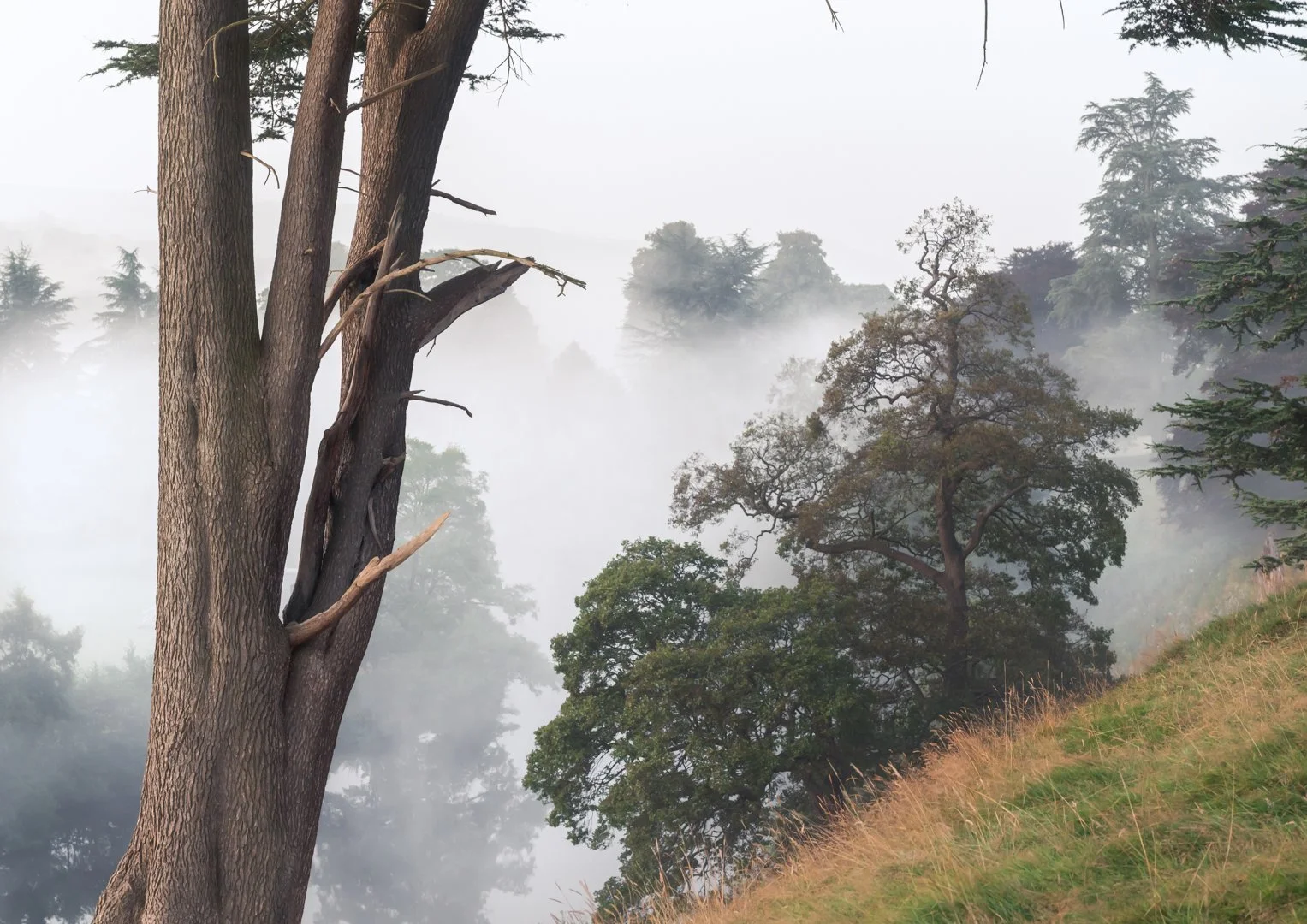
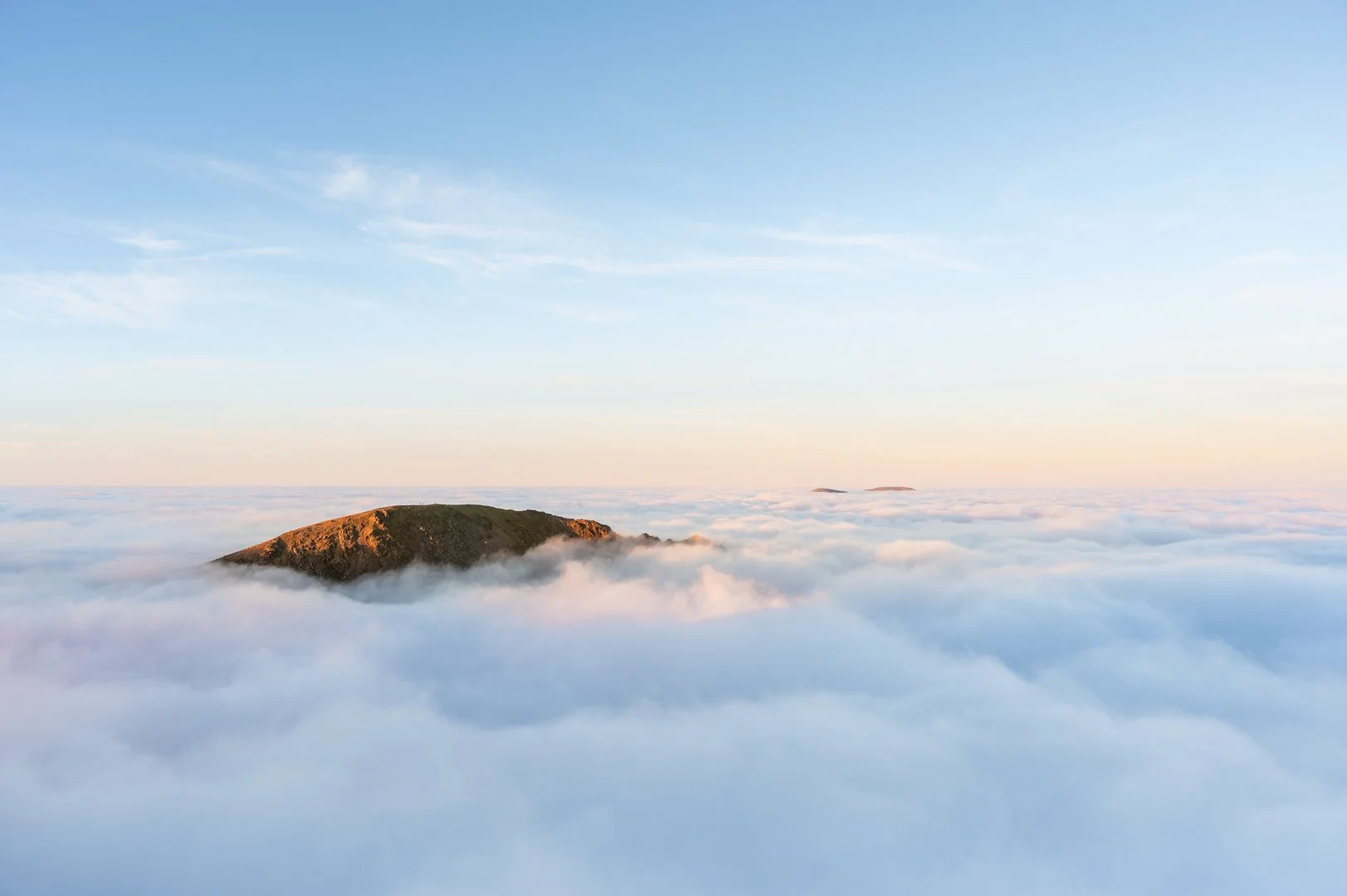
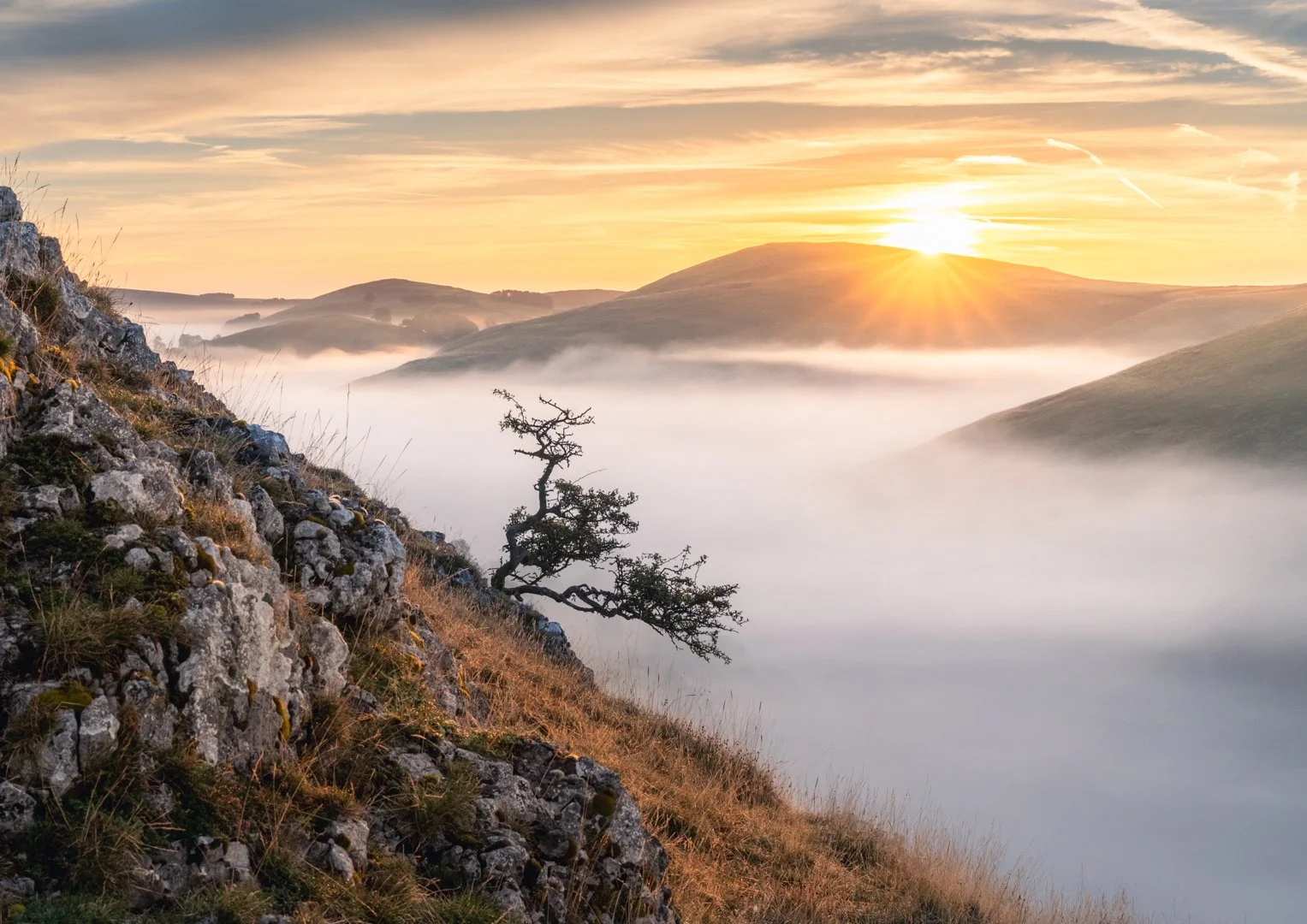
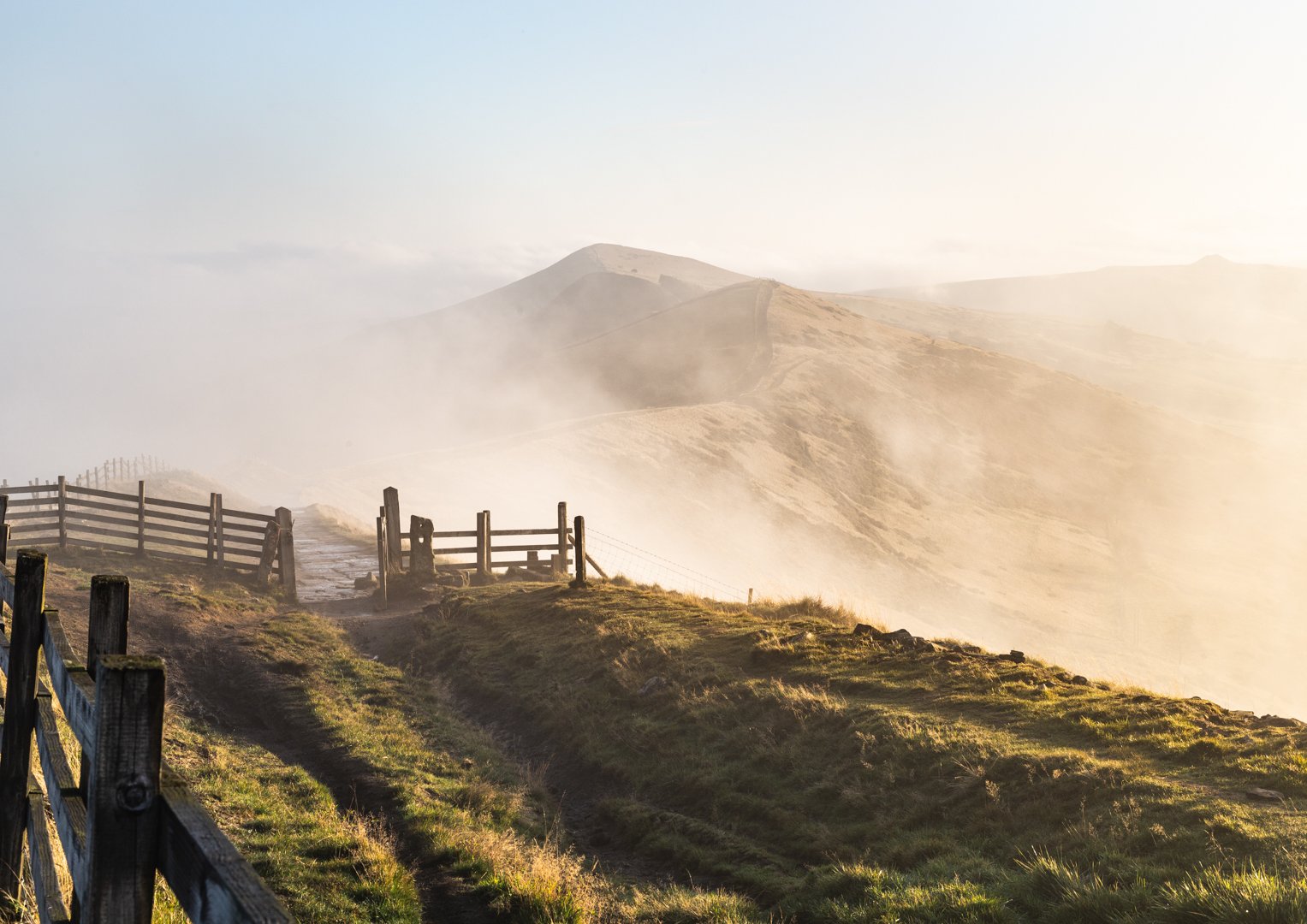
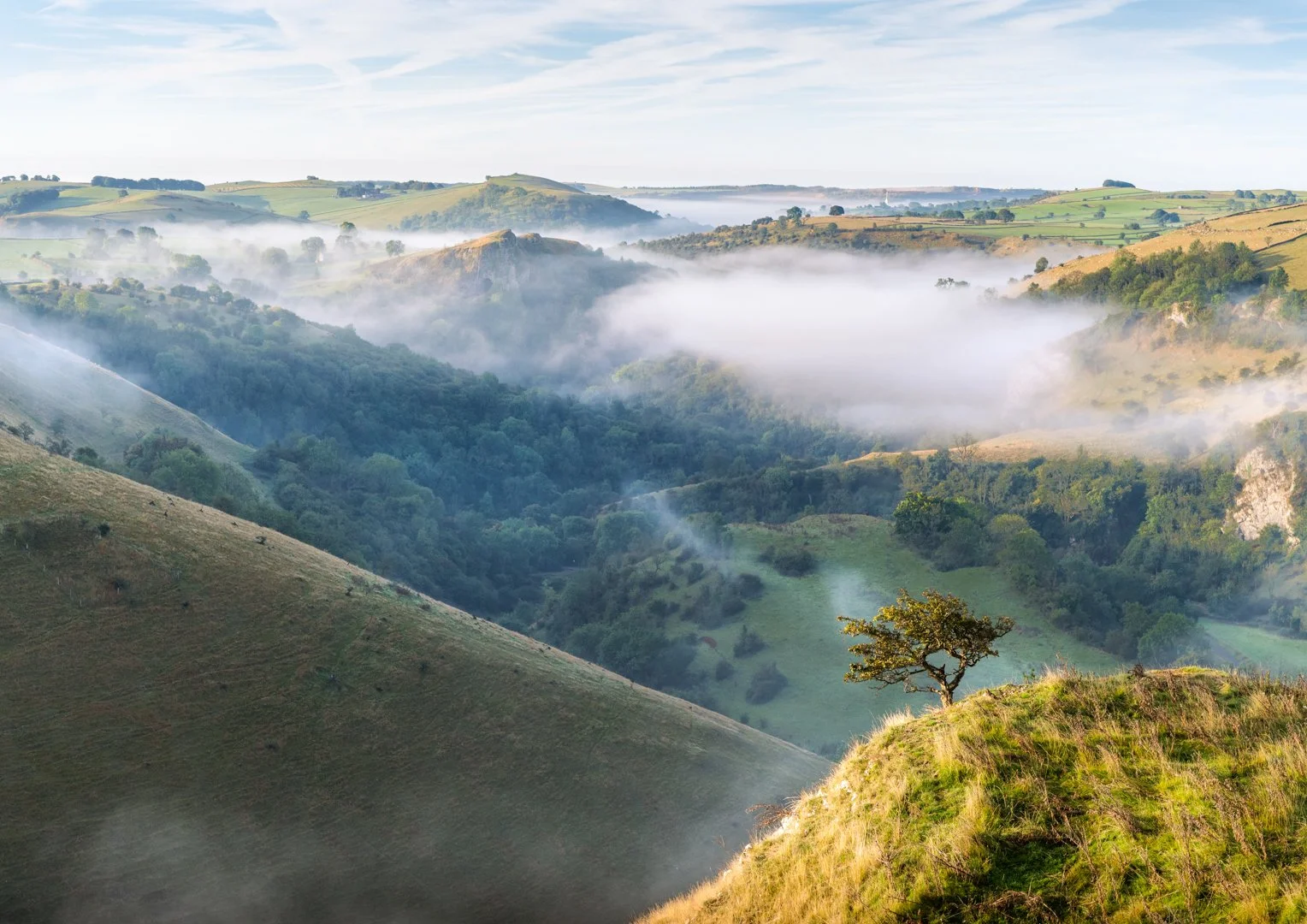
They're most common and dramatic in autumn, longer nights, warm days, great colours, but possible year-round, though less intense in summer. September and November often deliver the strongest ones.
Keep watching the forecasts, be patient, and have a plan B. I try to go somewhere with a woodland nearby, which most valleys will have. That way I can drop down into the fog and capture some images down there too.
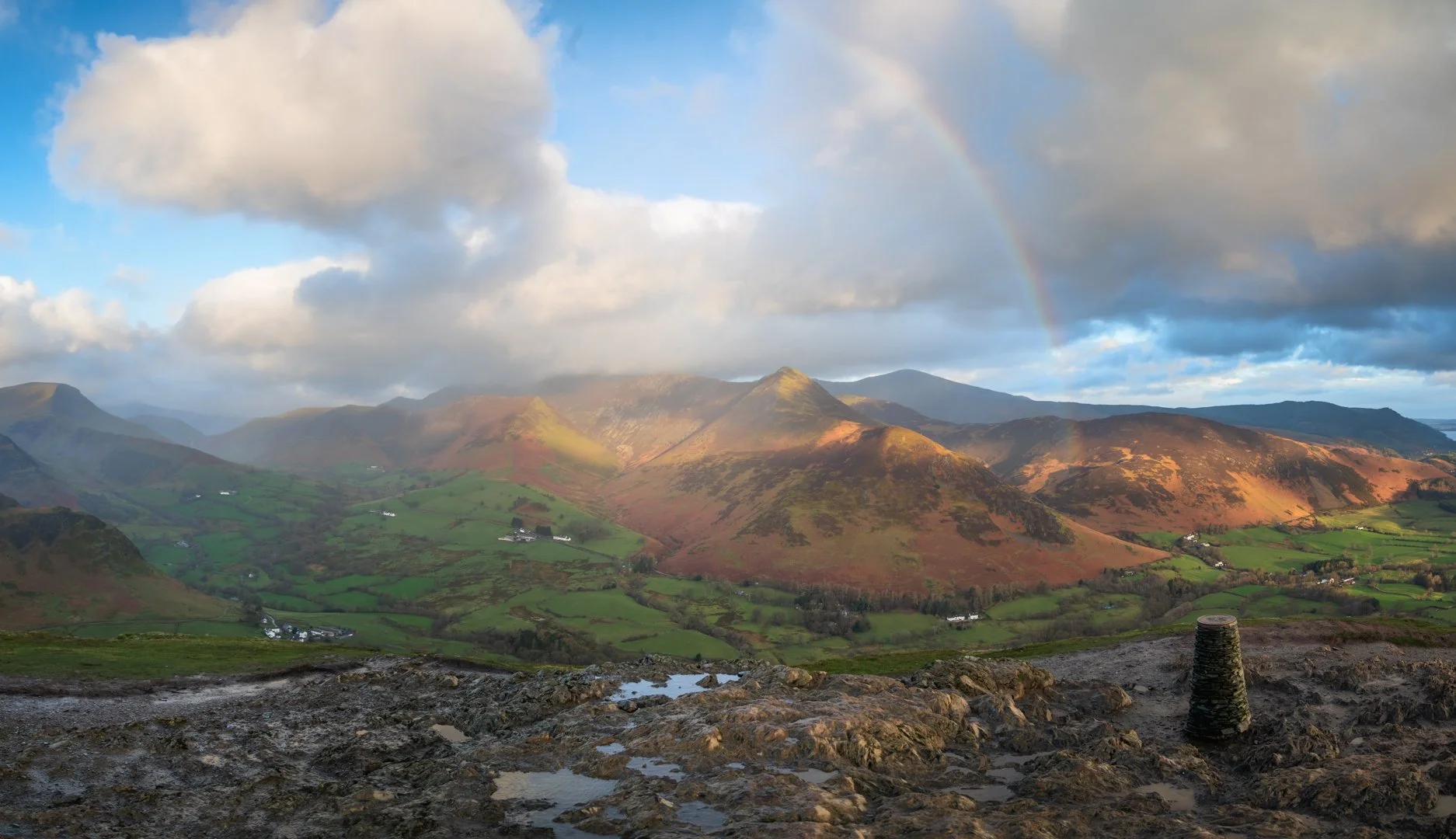
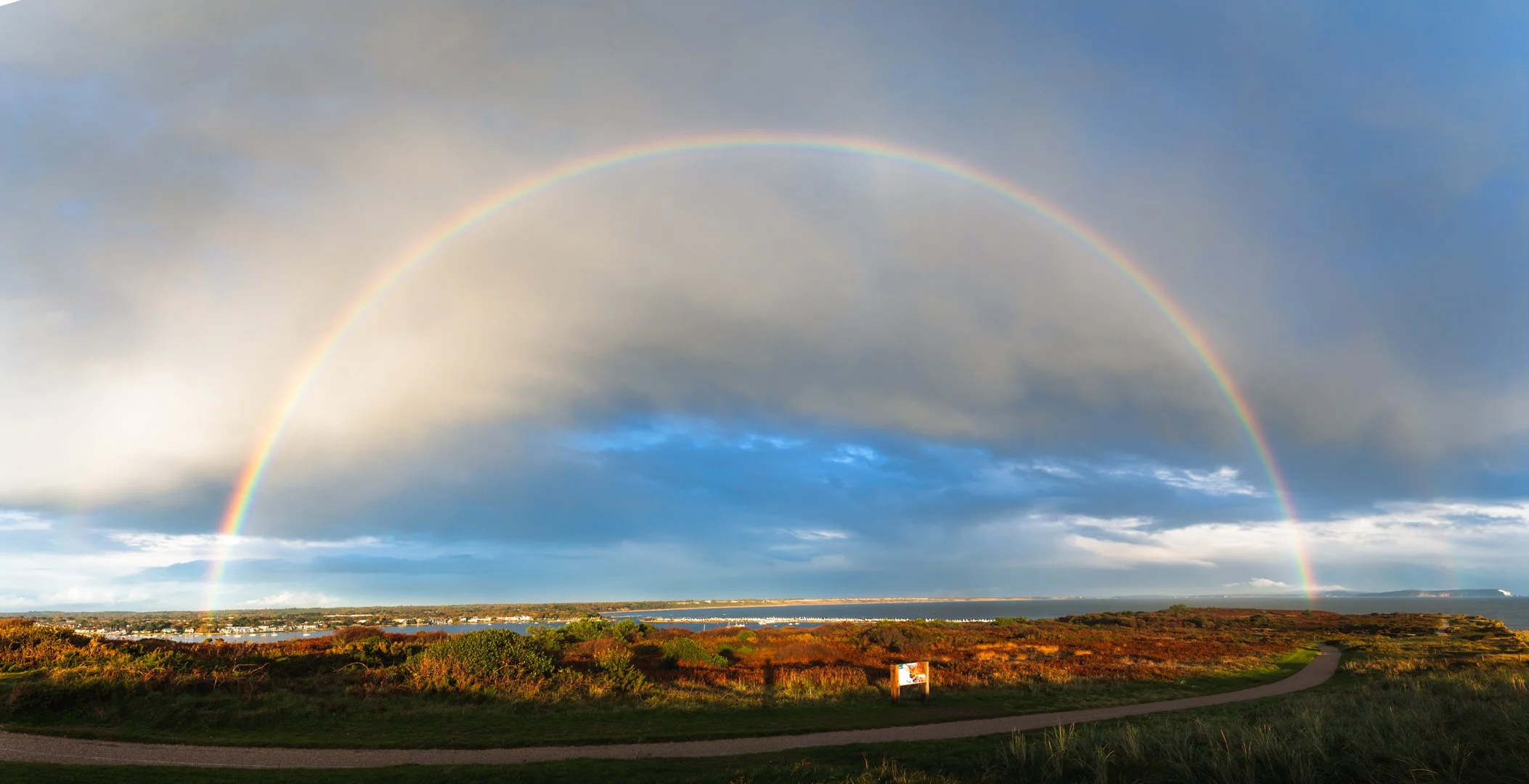
Is it really possible to predict, and plan for, rainbows?
Absolutely, after reading this, I’ll link you to my YouTube video of a successful rainbow hunt!
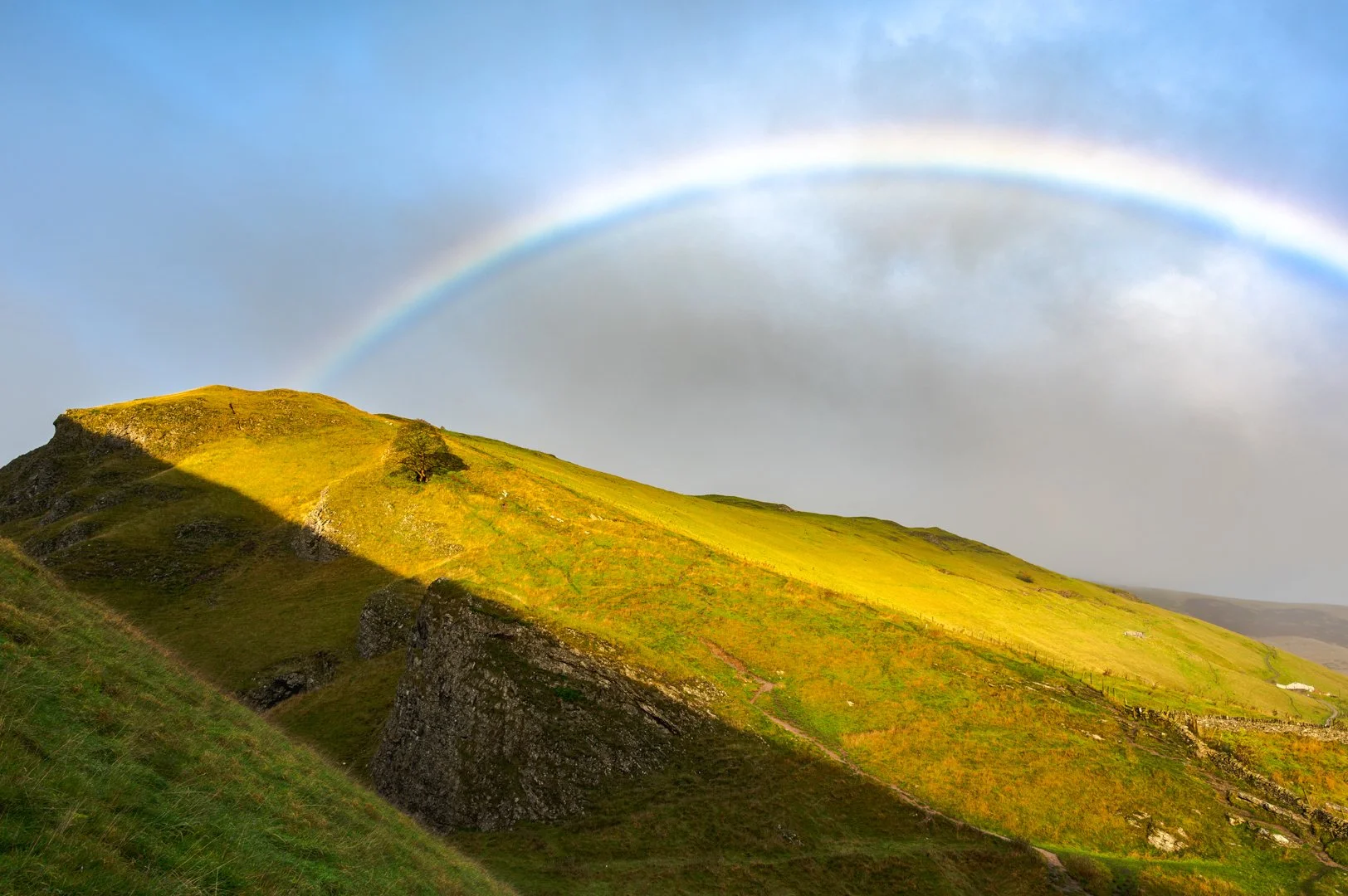
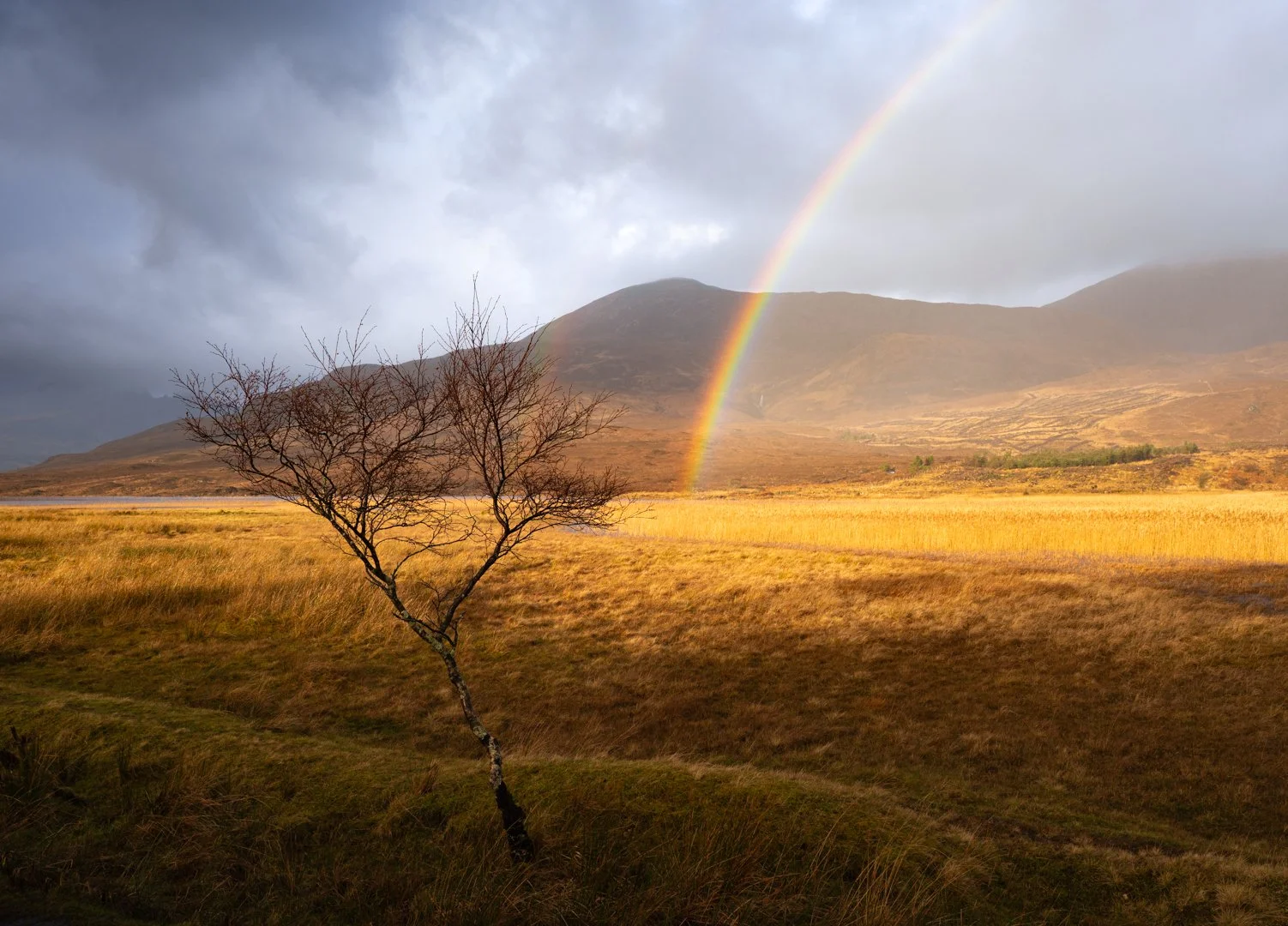
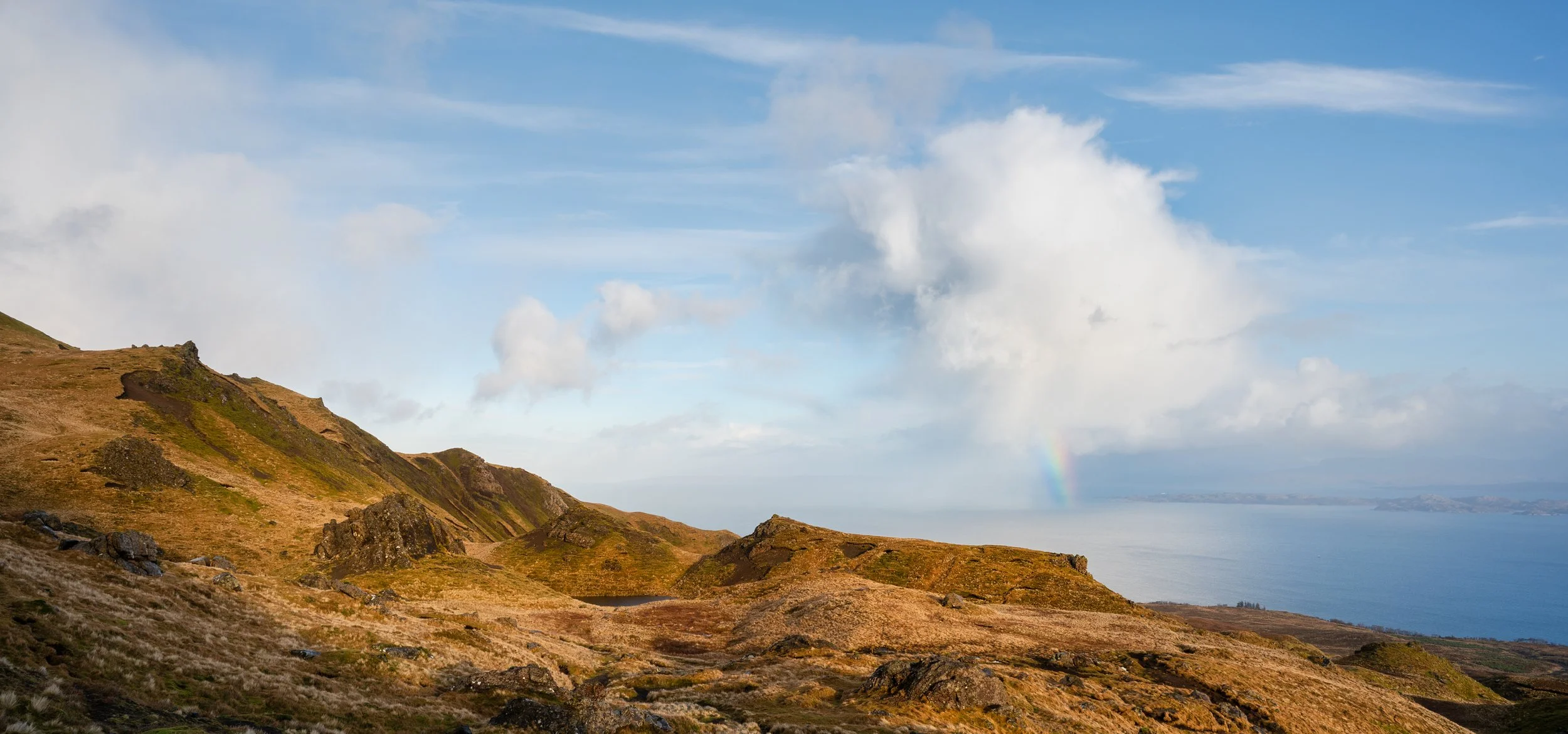
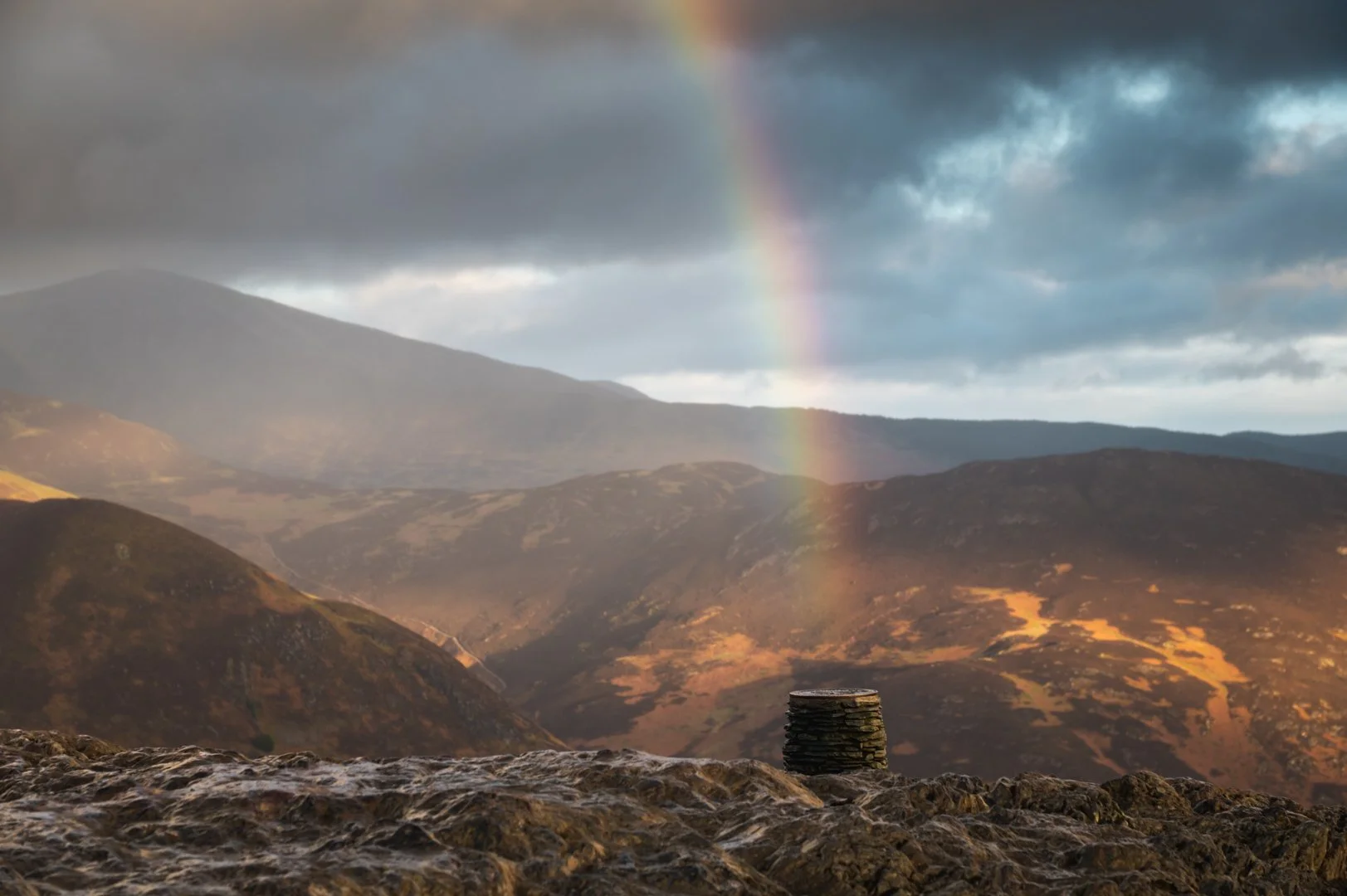
So what actually creates a rainbow? You need rain in front of you and the sun directly behind. As sunlight enters raindrops it slows, bends and reflects back towards the observer. Each colour exits the droplet at a slightly different angle, which is why the colours always appear in the same order. Red, the longest visible wavelength, leaves at around forty two degrees. This single number explains almost everything.
Why does that angle matter so much. Because if the sun is higher than forty two degrees above the horizon, a rainbow cannot be seen. It still exists in theory, but it forms below the horizon and out of view. This is why timing is critical. In winter, the sun often stays low enough all day for rainbows to appear at almost any time. In summer, your window shrinks to a few hours after sunrise or before sunset. Have you checked the sun elevation for your photography location? Tools like PhotoPills (Mobile App) make this easy and remove a lot of guesswork.
What about the forecast. Can it really help with something so fleeting. It can, if you know what to look for. Rainbows need rain and light, so look for showers combined with breaks in the cloud. Total cloud cover layers are often the most useful. Forecasts showing alternating rain and sunshine over several hours are especially promising. Add wind into the mix and your chances increase further, as weather systems move through more quickly. Wind direction also matters because you need rain in front and sun behind. It is often better when rain is clearing or passing across you rather than moving straight towards you.
Where should you point the camera. Always away from the sun. Simple, but easy to forget in the moment. From there, flexibility becomes your best compositional tool. Can you really expect a rainbow to appear exactly where you want it. Over several hours the sun moves, the rain shifts and the rainbow follows. Choose locations that allow you to move and adapt rather than locking into a single rigid viewpoint.
So is predicting a rainbow really possible. Not with certainty, but with knowledge, planning and persistence, your odds increase dramatically. Dress for the weather, protect your kit and give the conditions time to align. When they do, you will be ready.
Finally, we have Fire Skies!
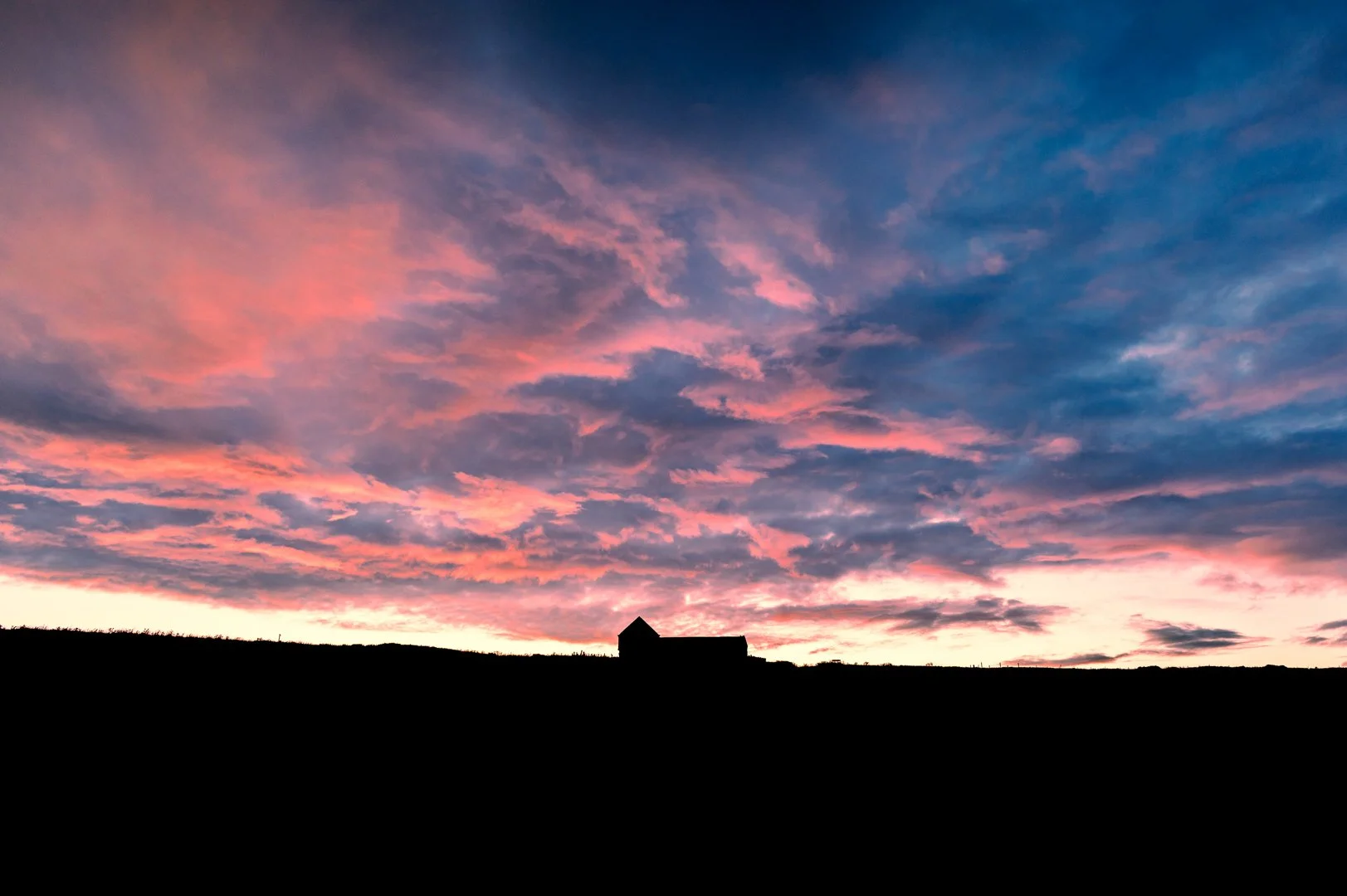
What exactly is a fire sky, you might wonder? It's exactly as it sounds: sunrise or sunset turning the clouds a blazing orange-red, like the whole sky is on fire. These dramatic displays make for unforgettable landscape photos, but they're not just random luck, are they?
The science is simple: at low sun angles, light travels through more atmosphere, scattering shorter blue wavelengths and leaving vivid oranges and reds. For the glow to really ignite, you need the right cloud level: medium clouds, 6,500 to 20,000 ft, like altocumulus or altostratus, are ideal, far enough for underlighting, thick enough for impact. High wispy cirrus can work too, but often sparser; low clouds rarely deliver full spectacles, though they can contrast nicely with a burst of light. But the real key to the puzzle is a clear horizon, without it you have nothing.
As mentioned in other sections of this blog, I like to use the App, Ventusky. Cross-checking with Clear Outside for cloud percentages by layer.
To check for a clear horizon where the sun is either rising or setting, if you’re at sea-level it is around 4.7km away. However, with elevation, it changes quite dramatically. You can use horizon calculators or do it yourself with this formula:
distance ≈ 3.57 × √height
Where:
height is your eye height above sea level in metres (not just the mountain height, add your eye level above the summit if needed, but for high elevations it's negligible).
The constant 3.57 comes from Earth's average radius (~6,371 km) and gives a good practical estimate (some sources use 3.86 to account for average atmospheric refraction, which bends light slightly downward and increases the distance by ~7–8%).
Quick Examples:
At sea level (h ≈ 1.7 m): d ≈ 3.57 × √1.7 ≈ 4.7 km.
On Ben Nevis summit (h ≈ 1,345 m): d ≈ 3.57 × √1,345 ≈ 130.9 km (or up to ~141.6 km with typical refraction). So, you would check the cloud coverage at 140km away, if it is clear, your horizon is clear!
Here are some fiery examples I've chased and photographed:
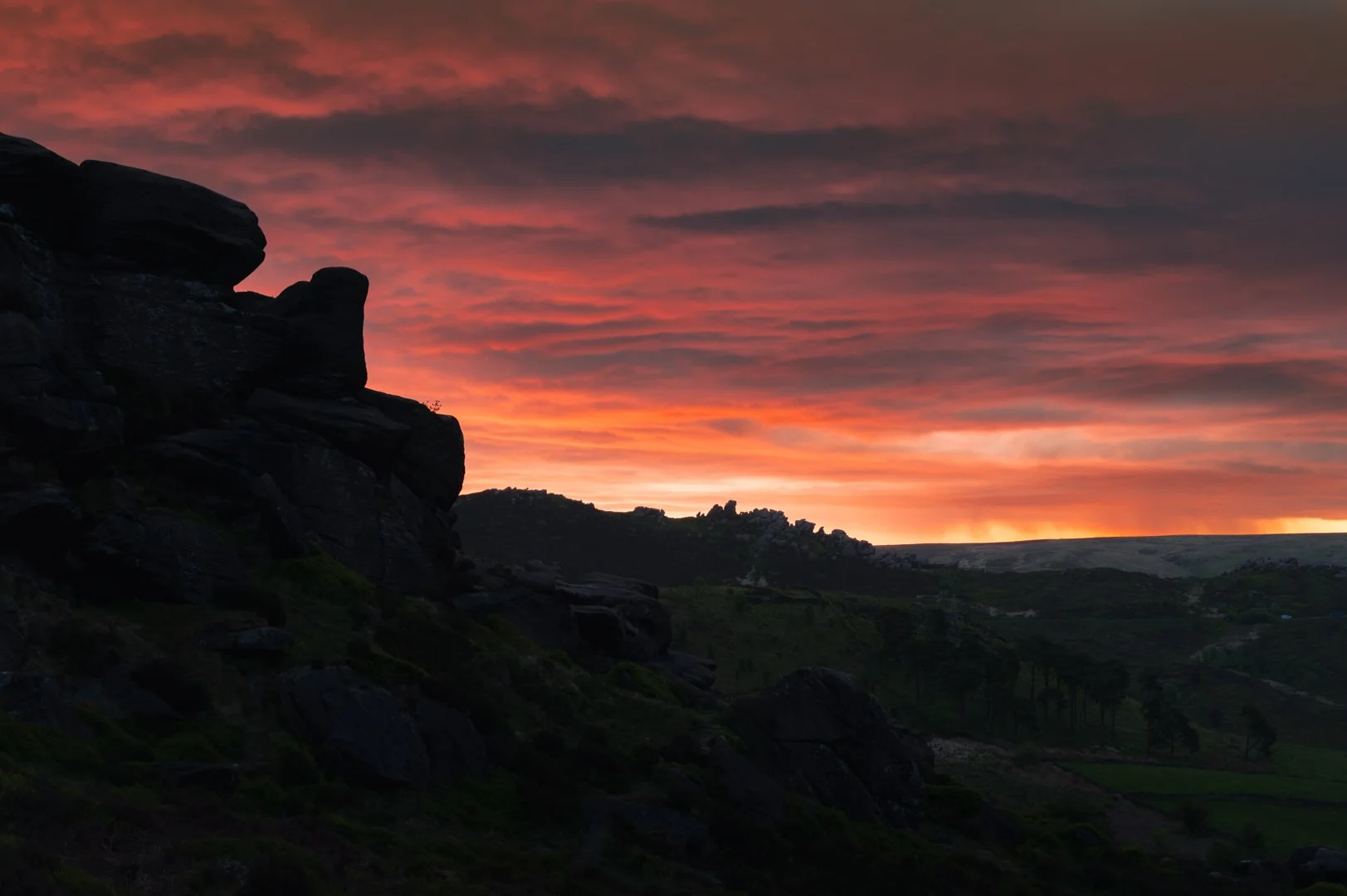
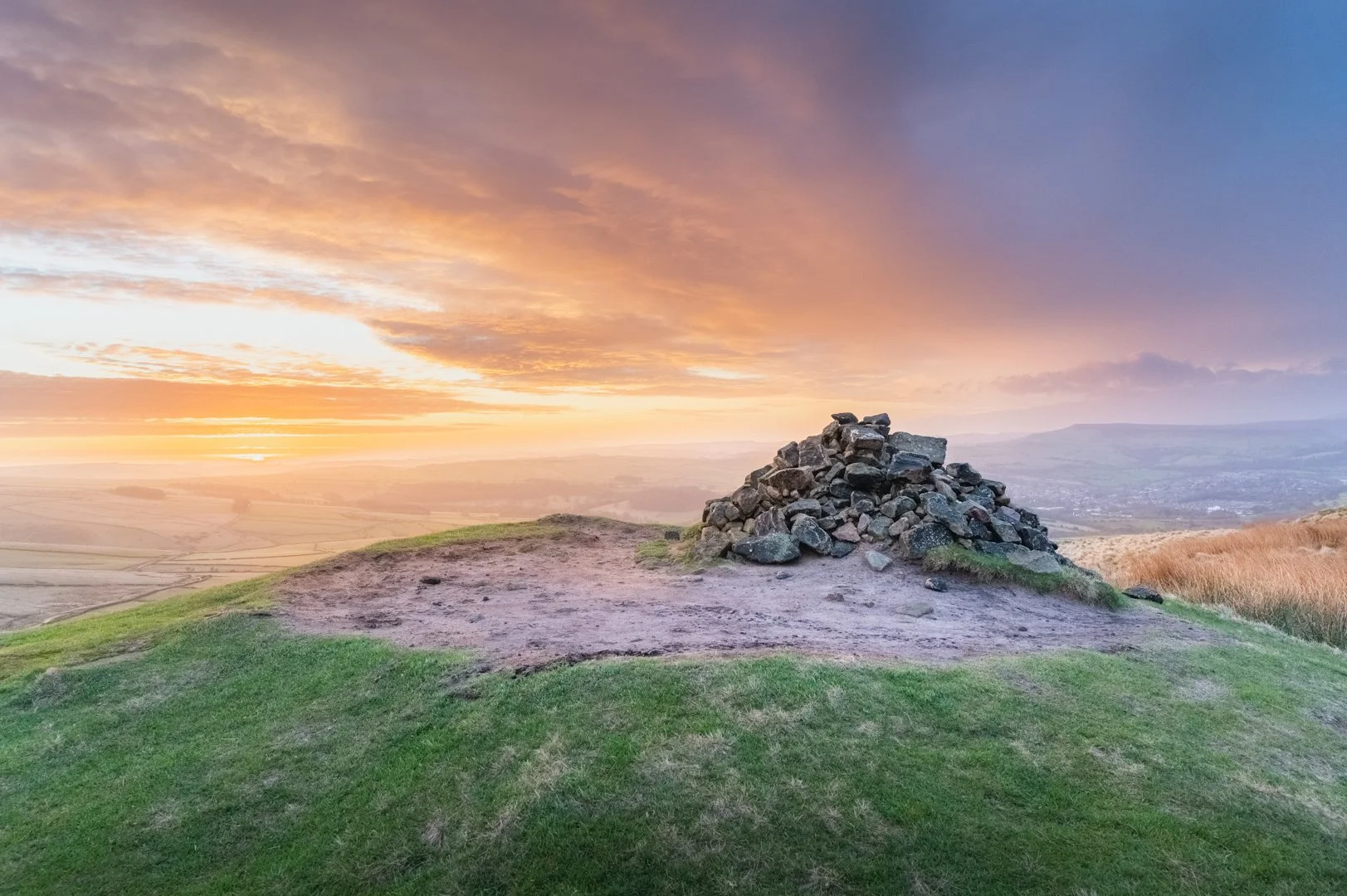
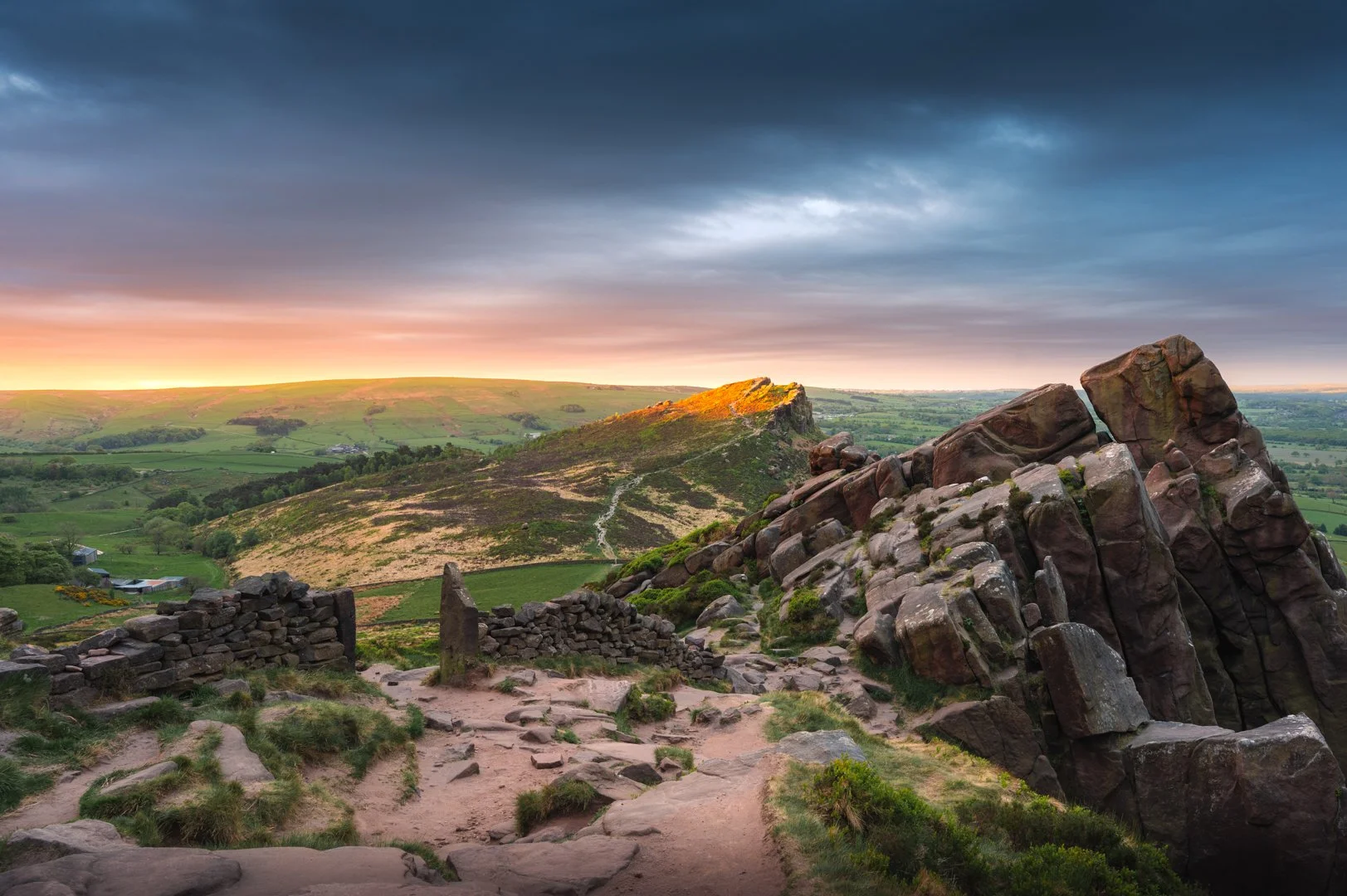
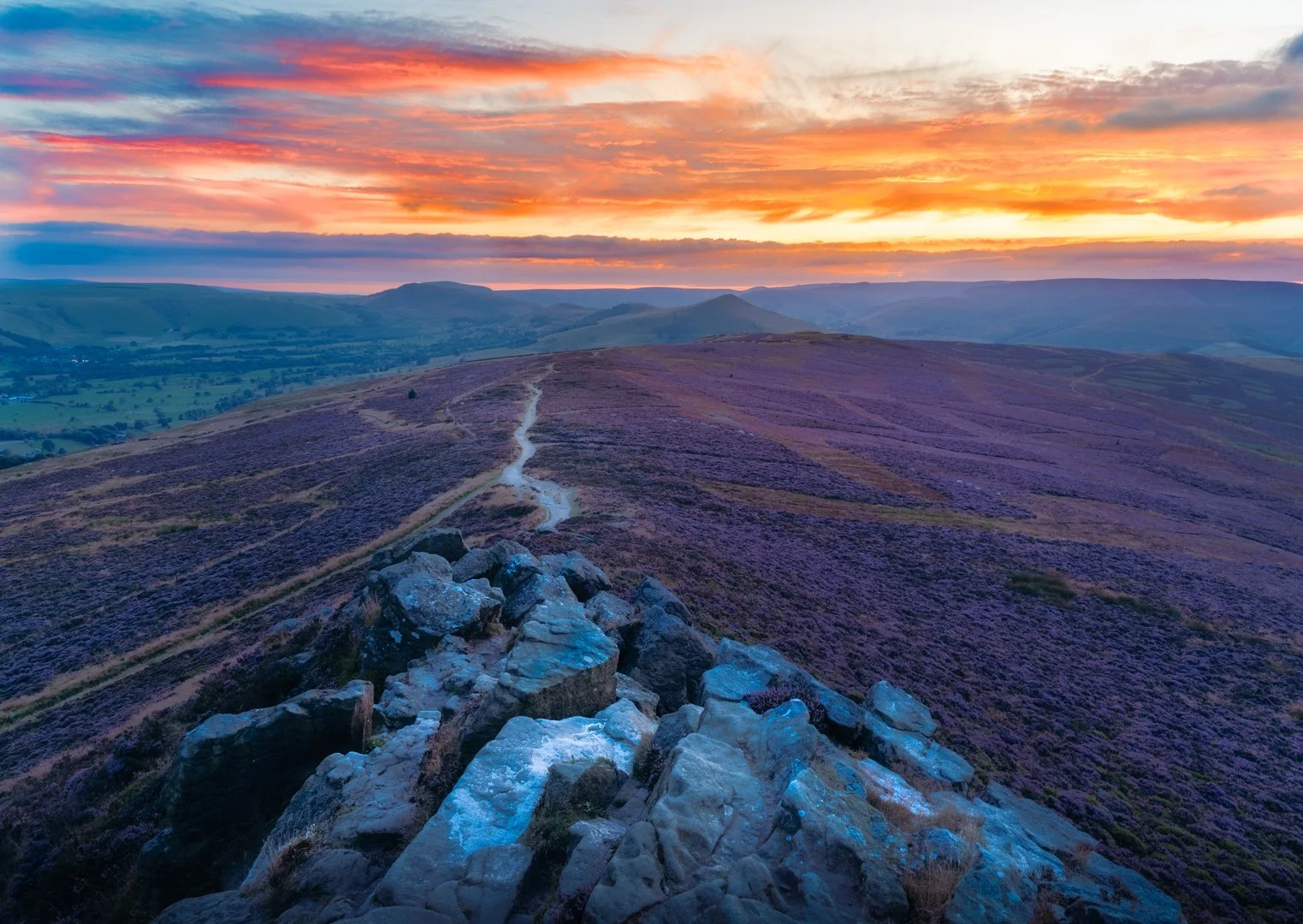
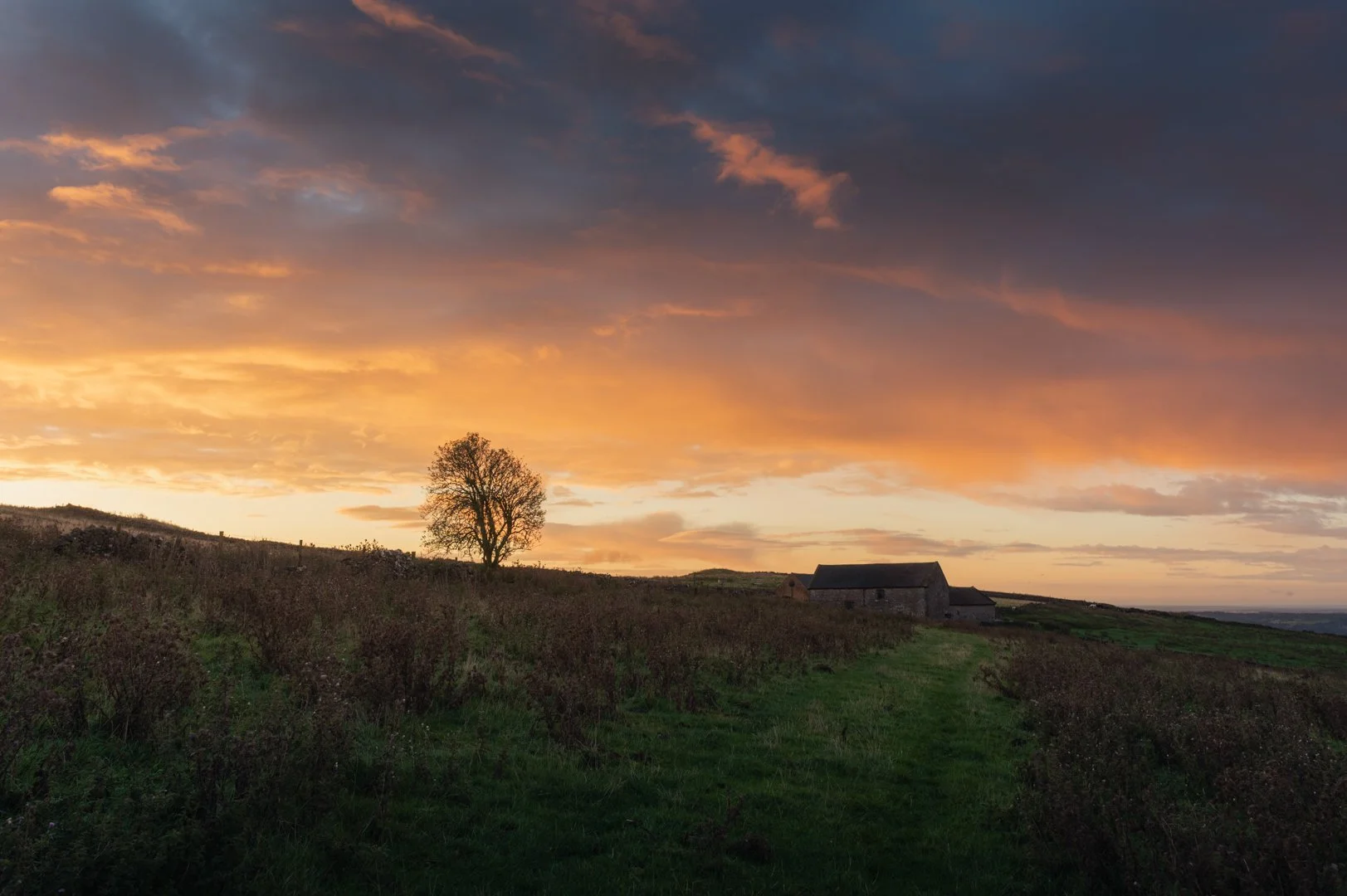
You can't predict every element perfectly, but watching forecasts and skies will massively boost your success rate. Get out there for every sunrise/sunset, even if it's not a full fire sky, isn't the joy of being outside always worth it?